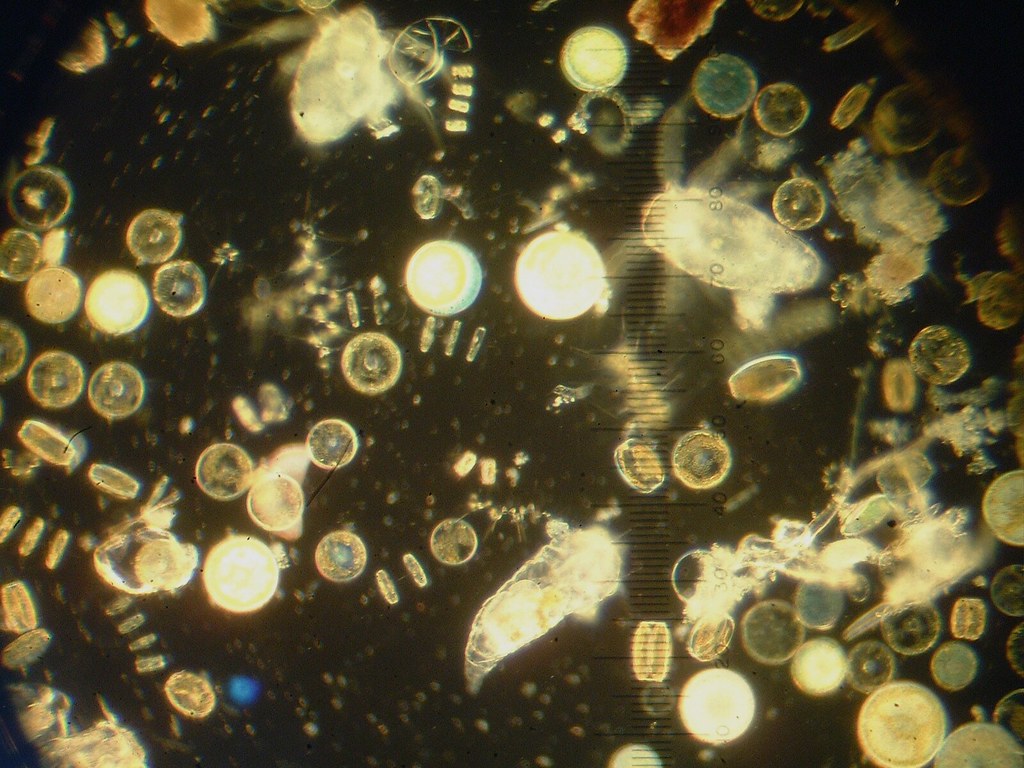
Harmful algal blooms (HABs) are accumulations of toxic phytoplankton that can have devastating impacts on human health and the economy. Data from environmental DNA (eDNA) and metabarcoding can be used to detect the presence of harmful species, but cannot detect when species are reaching bloom levels. I am developing a novel statistical modeling framework to get quantitative estimates of phytoplankton abundance from eDNA data. This will be used to improve methods to forecast future HABs.
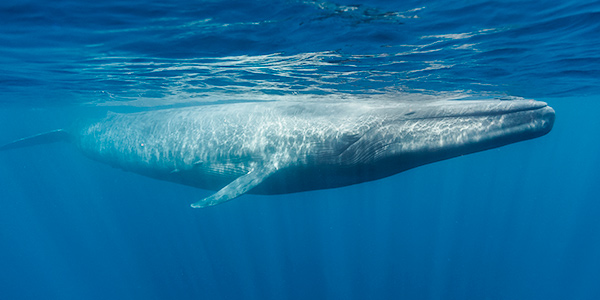
Baleen whales were heavily exploited during commercial whaling in the 20th century. Extensive biological data was collected during this exploitation. My work uses contemporary quantitative methods to analyze this historical data to answer long-standing questions about baleen whale populations.
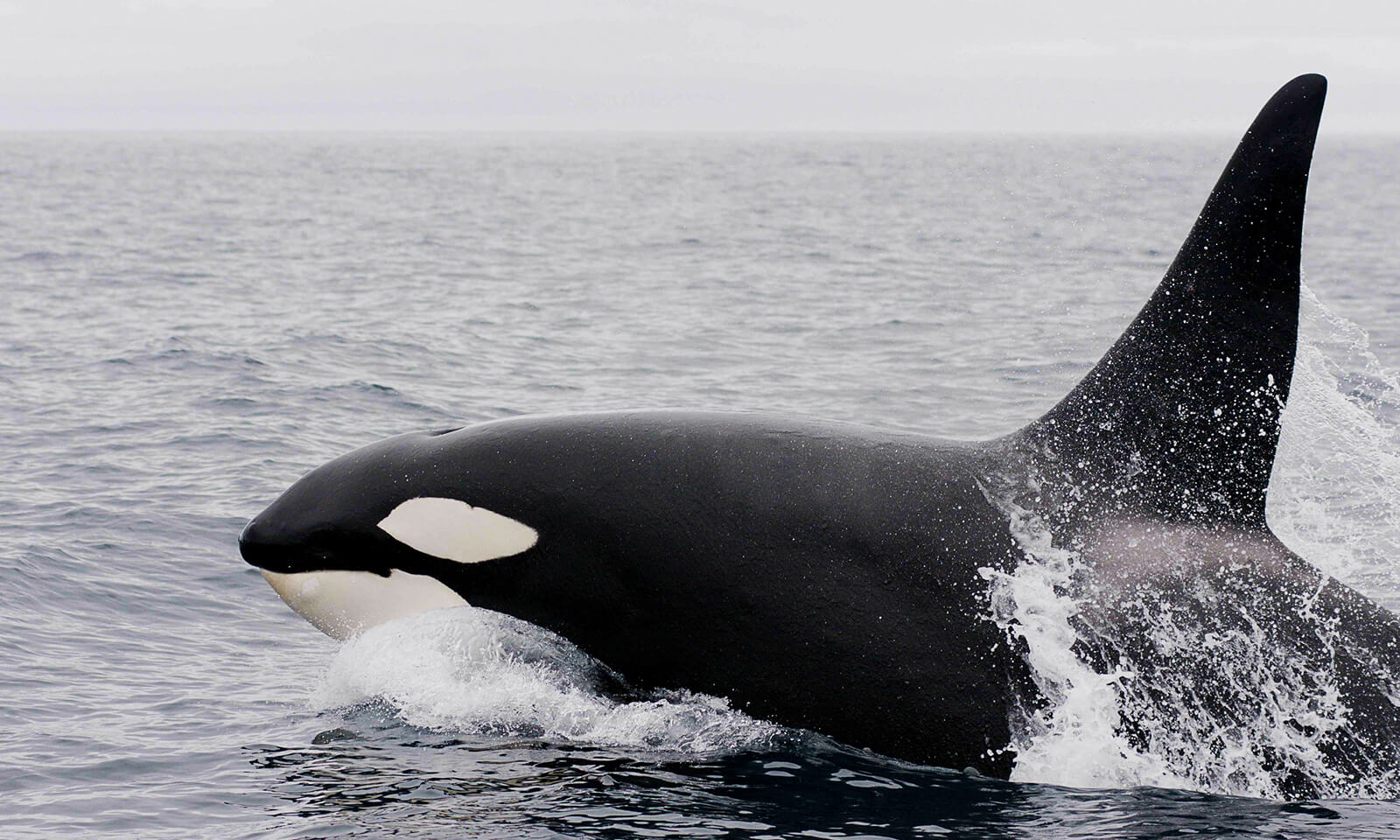
The Washington portion of the Salish Sea contains both Southern resident killer whales as well as transient killer whales. I use a decades-long database of killer whale detections to analyse how killer whale presence has changed in the region over time.
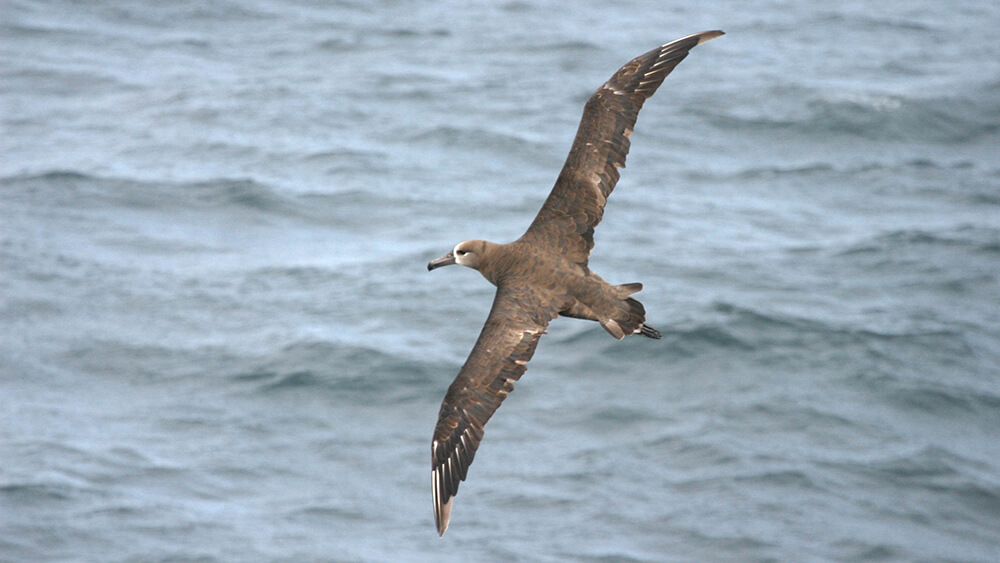
Using Hidden Markov models I demonstrate a method for analyzing ecological indicators in the presence of regime shifts using sea surface temperature and seabird density as case studies.